CHS Properties
Wasserburg
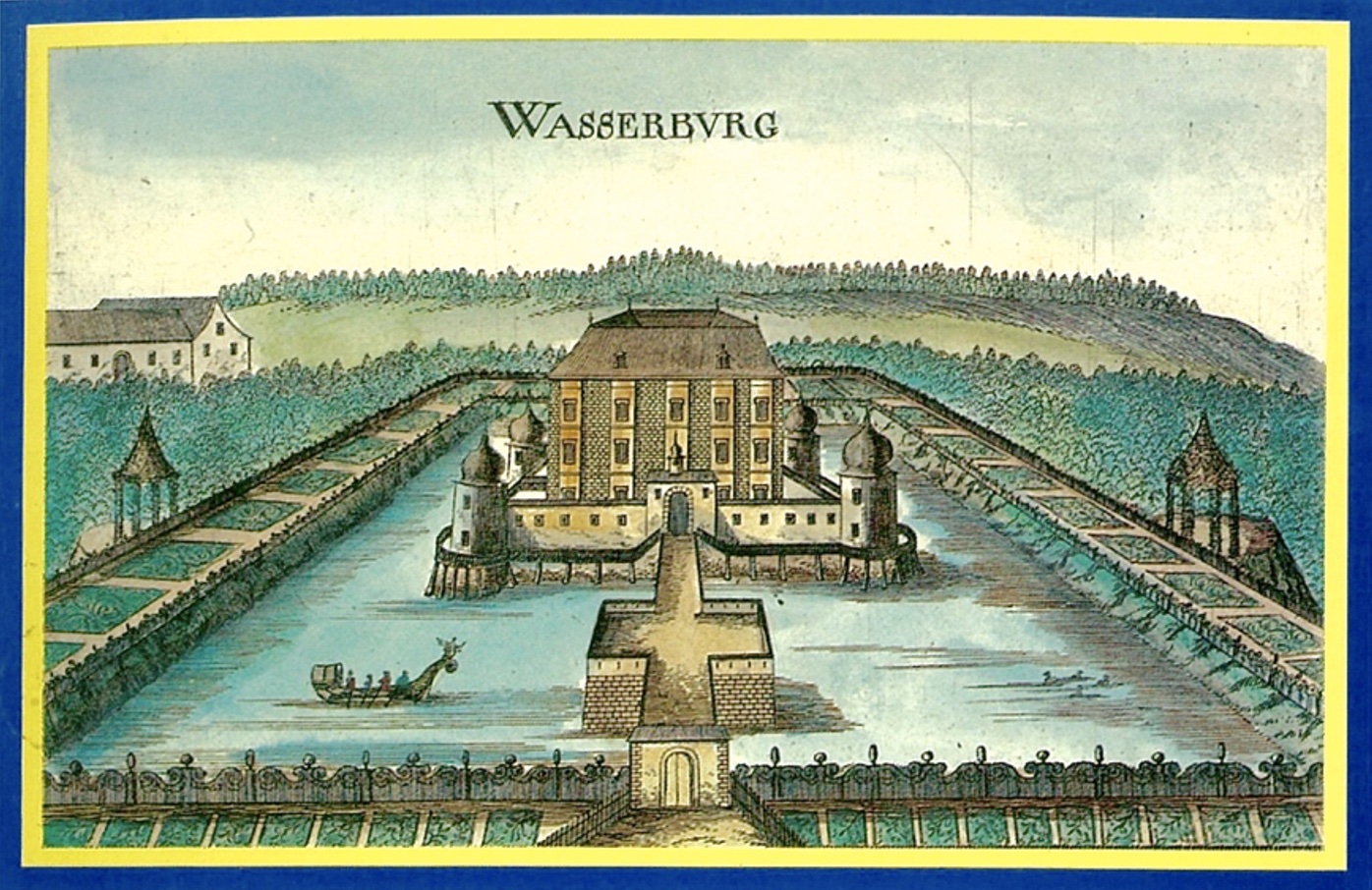
Wasserburg entered the Seilern family in 1923 when Charles Hugo Seilern (CHS or “Paps”) received it from his grandmother, Anna Woerishoffer, most probably as an as an engagement and wedding present. An amazing gift for a twenty-four year-old.
It was the only home I ever knew. I spent the first two years of my life there until, as British subjects, we were obliged to leave Austria shortly before the Anschluss in 1938.
During the Second World War the castle was occupied by German military officers and kept in excellent condition. Following Germany’s defeat, however, Wasserburg became part of Soviet-occupatied Austria. Between 1945 and 1955 the Soviet forces stripped the property of much of its infrastructure, including electrical wiring, pipes and furnishings, while many remaining items disappeared into the surrounding villages.
Austria regained its sovereignty with the Austrian State Treaty in 1955, allowing the family to return after an absence of nearly eighteen years. By then, little remained of the house we had left in 1938.
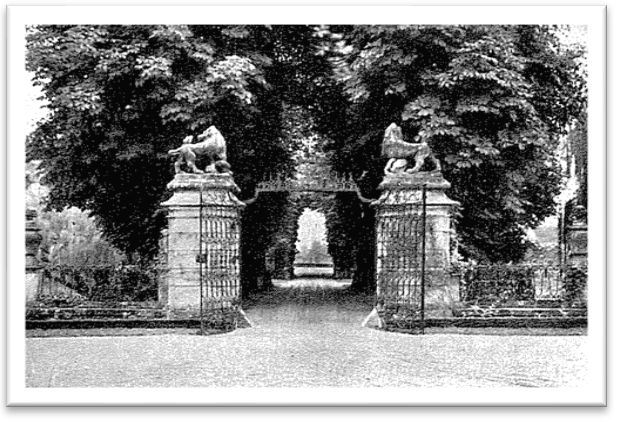
Wasserburg entered the Seilern family in 1923 when Charles Hugo Seilern (CHS or “Paps”) received it from his grandmother, Anna Woerishoffer, most probably as an as an engagement and wedding present. An amazing gift for a twenty-four year-old.
It was the only home I ever knew. I spent the first two years of my life there until, as British subjects, we were obliged to leave Austria shortly before the Anschluss in 1938.
During the Second World War the castle was occupied by German military officers and kept in excellent condition. Following Germany’s defeat, however, Wasserburg became part of Soviet-occupatied Austria. Between 1945 and 1955 the Soviet forces stripped the property of much of its infrastructure, including electrical wiring, pipes and furnishings, while many remaining items disappeared into the surrounding villages.
Austria regained its sovereignty with the Austrian State Treaty in 1955, allowing the family to return after an absence of nearly eighteen years. By then, little remained of the house we had left in 1938.
Allowing for all other operating expenses, it seems likely that the estate cost between the equivalent of US$75,000 and US$100,000 per month to maintain. In today’s purchasing power, staff salaries alone would represent approximately €630,000 per year, before taking into account additional expenses associated with the family’s lifestyle, including racehorses at Freudenau (Vienna) and Newmarket, Jagden, safaris, travel and allowances.
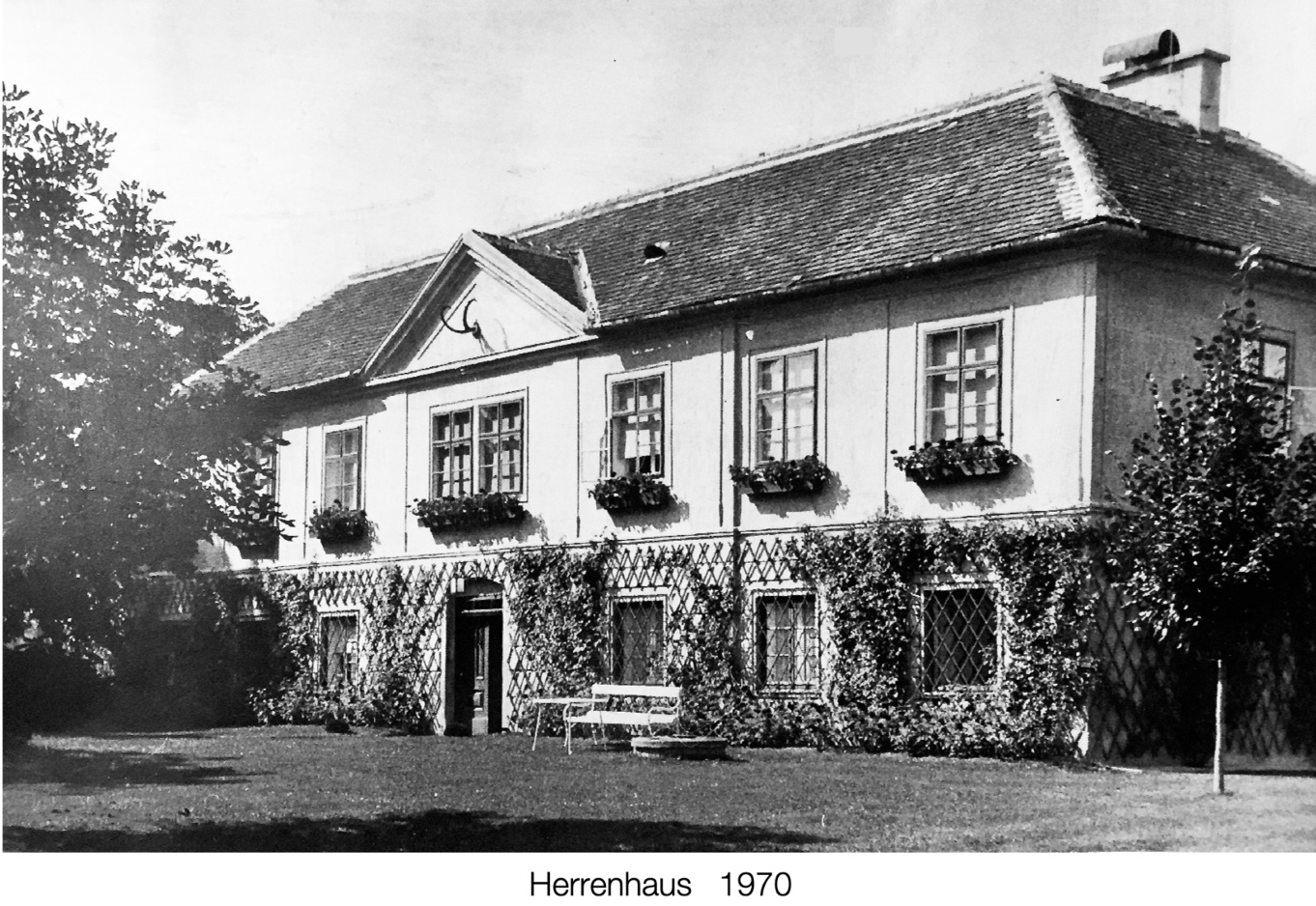
After 1988
Leopold inherited Wasserburg when Paps died in 1988. The following observations are based on my own recollections and may require correcting..
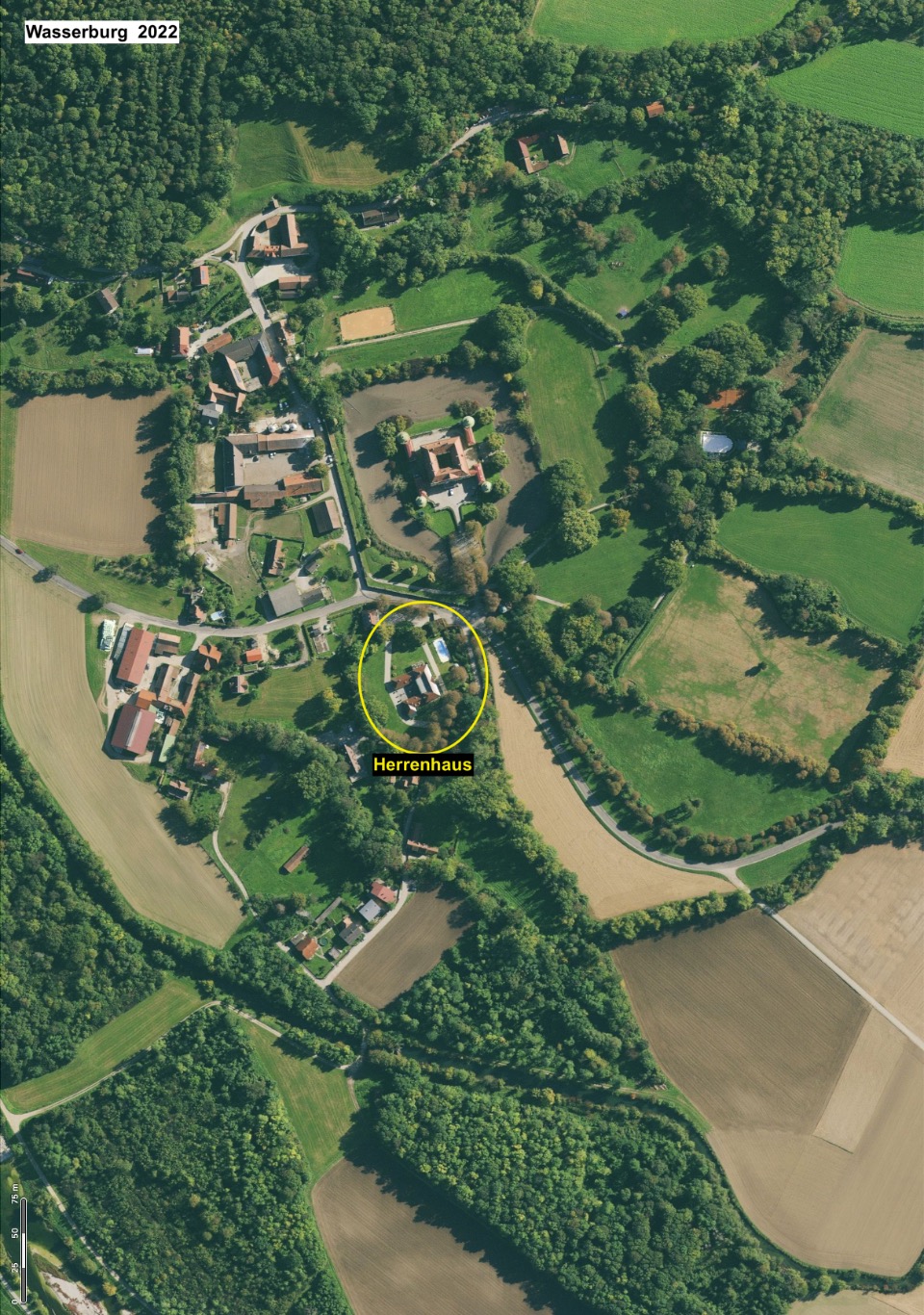
During my childhood Wasserburg functioned almost as a village (Siedlung). Besides the moated Baroque castle, Wasserburg was composed of 350 hectares of farmland and forest, numerous small houses, a Gasthaus and even its own electricity works.
As a single, debt-free property it was probably unique in Austria and of exceptional value.
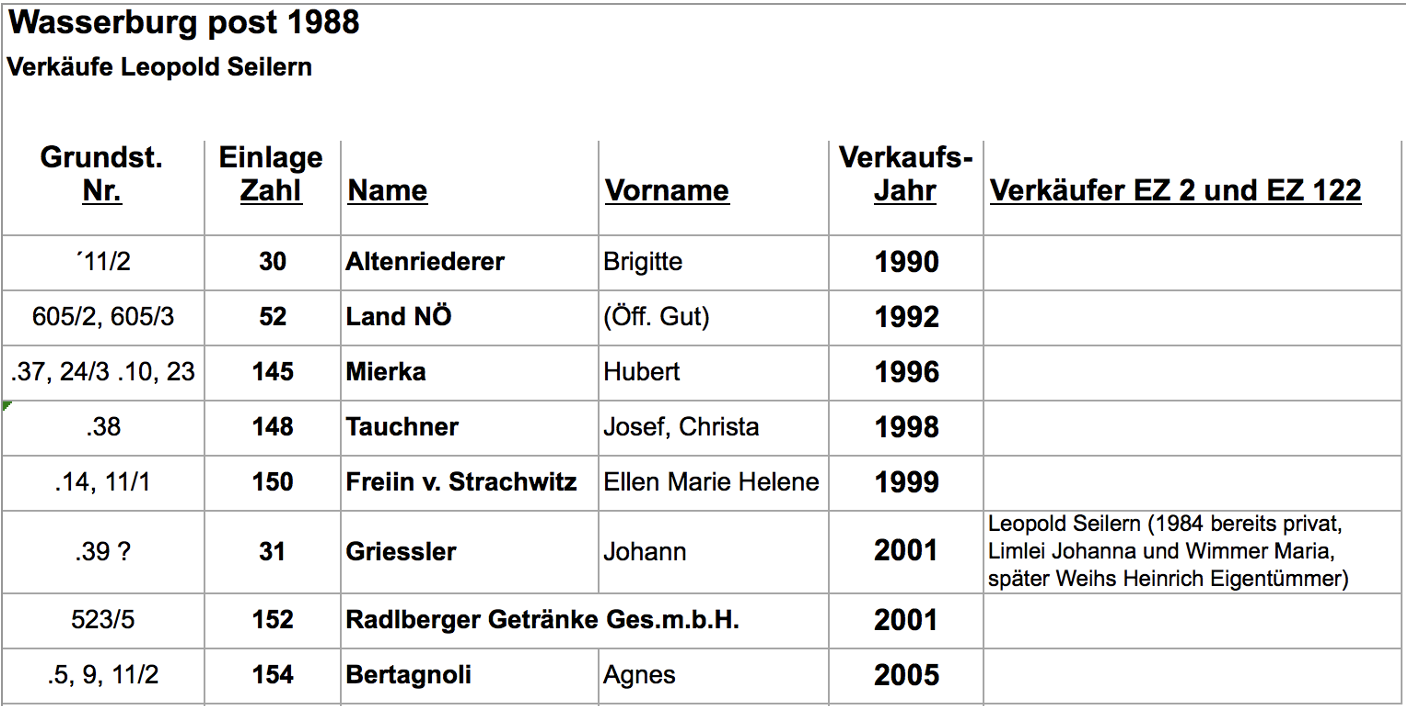
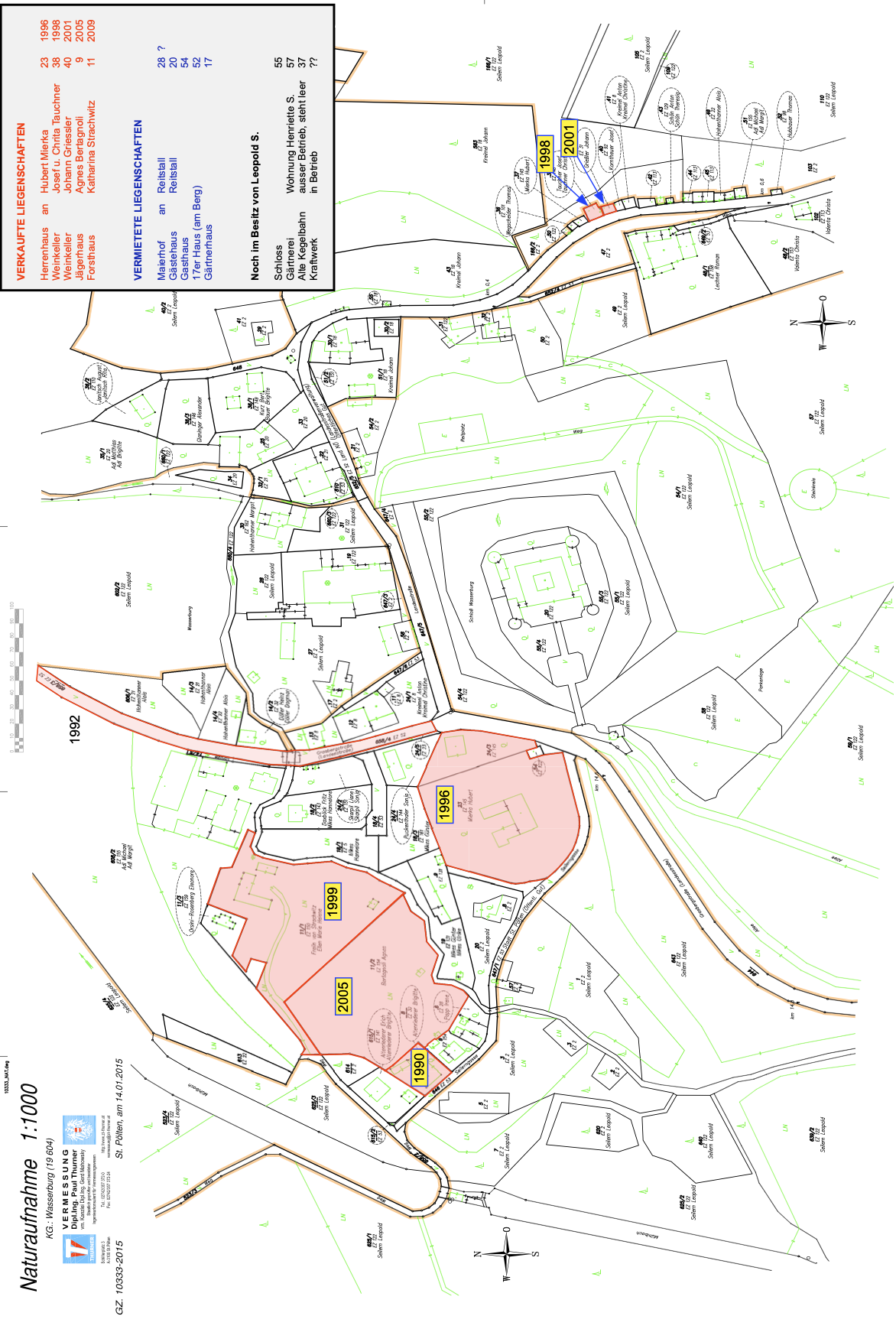
Over the following decades parts of the estate were sold off. Although these sales generated needed funds, they reduced the integrity and long-term value of Wasserburg as a single unified estate.
Today Wasserburg is no longer the self-contained village that it once was. The castle is available for rent (€2’400 /day, minimum 3 days).
The Austrian State Treaty was signed at the Schloss Belvedere in Vienna on 15 May 1955 by Austria and the four Allied occupying powers. It entered into force on 27 July 1955, and the last occupation troops left Austria on 25 October 1955.
February 2017
Translated
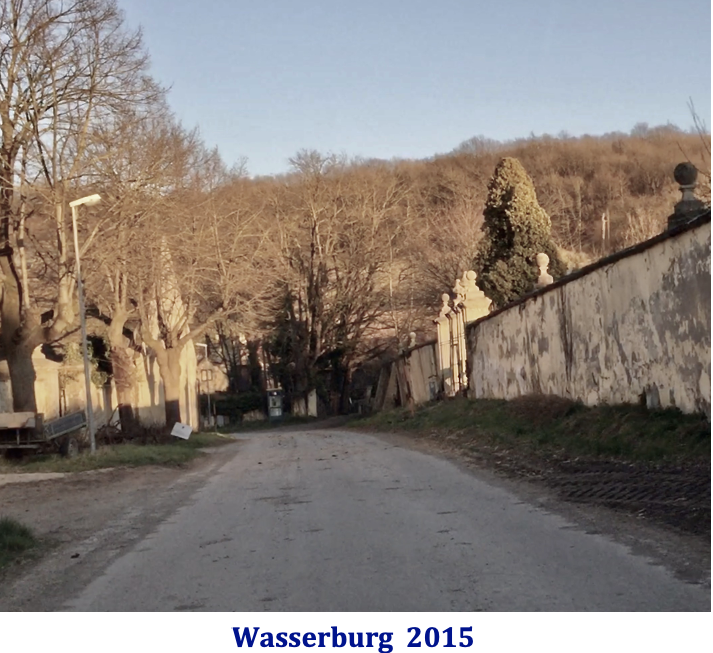
 Dangerous scenes in Pottenbrunn near St. Pölten. The dilapidated boundary wall of Wasserburg Castle collapsed over 25 meters. Attentive passers-by alerted the fire brigade.
The Pottenbrunn volunteer fire brigade was called to an unusual operation: attentive passers-by watched as Wasserburg Castle’s boundary wall collapsed and informed the fire brigade.
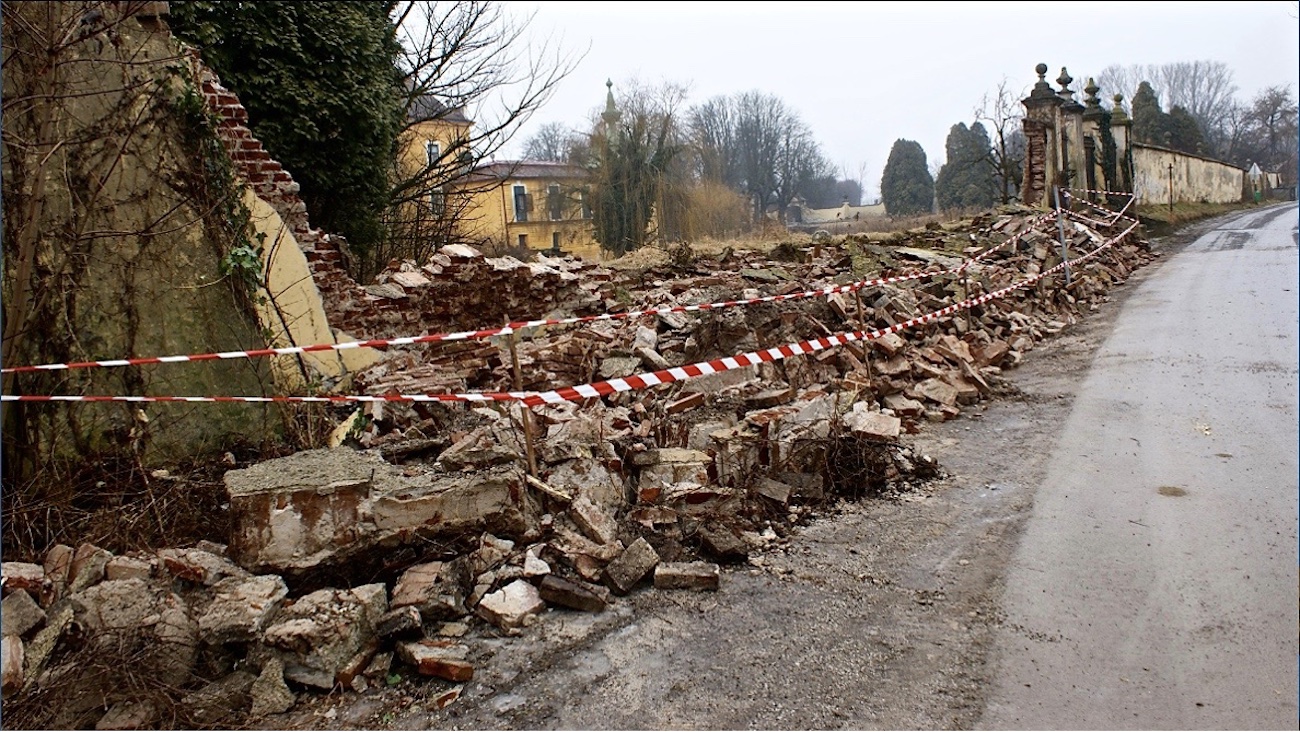
“The castle wall collapsed over 25 meter and blocked the local Wasserburg road," reports commander Franz Klampfl, who was deployed with 13 men from the Pottenbrunn contingent. The danger zone had to be secured, the parts of the wall and the debris had to be removed.
A distribution box of the local power supply was also damaged when the wall collapsed - EVN had to be notified. After one and a half hours, the road was reopened to traffic and the operation ended.
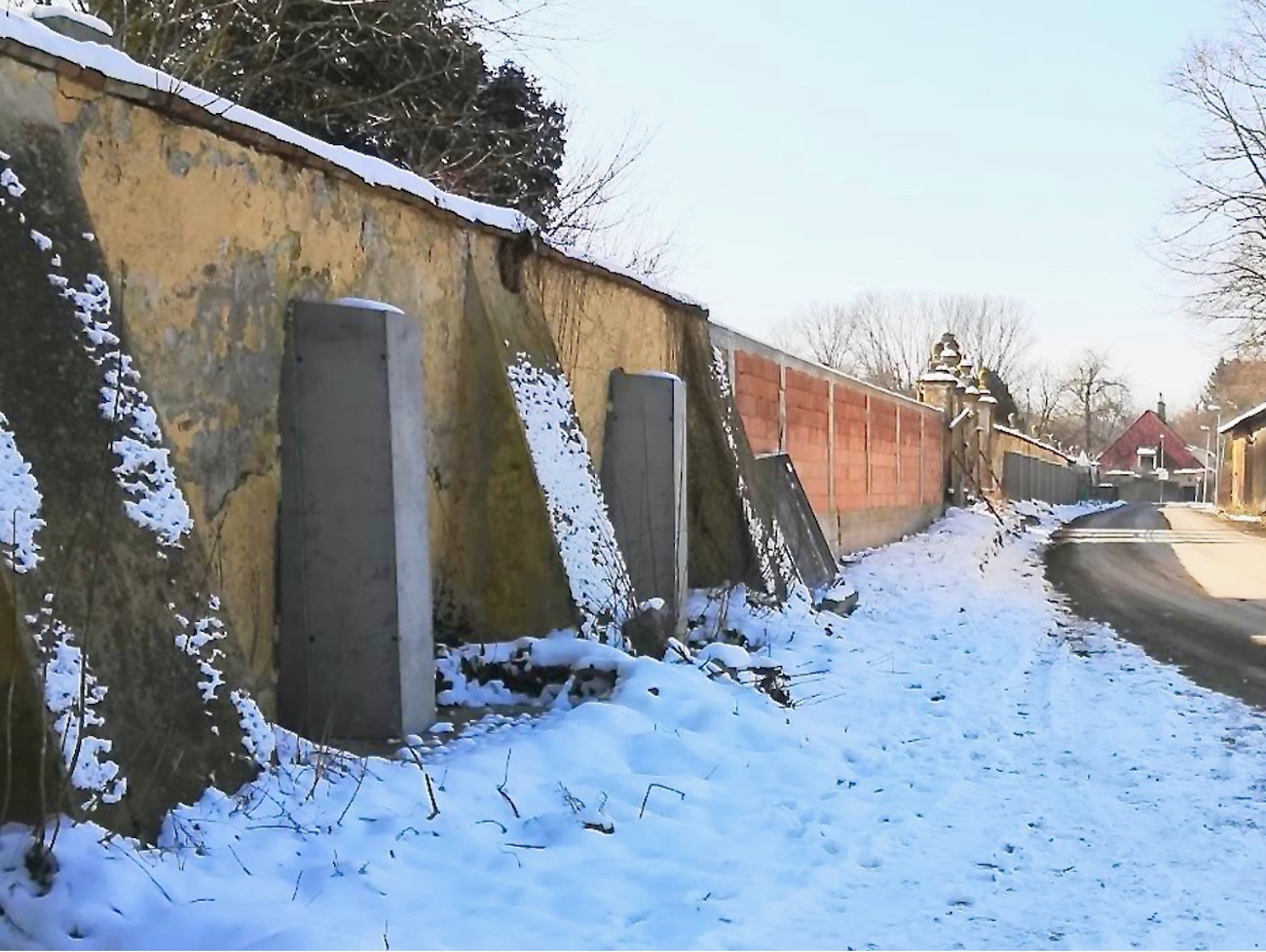
March 2018, Concrete columns consolidate the original castle wall.
Translated from German. Needs reviewing.
Ursula Burkert · 06/06/2010
Produces the Ö1 travel feature "Ambiente", interviews interesting people for the show "Gedanken", designs cabaret artist portraits for "Contra" and is recording manager at "Kabarett direkt".
Wasserburg today
In the shadow of Hölderlin
Literary setting Wasserburg Castle
A place steeped in history is Wasserburg Castle near Pottenbrunn. This place can be rented for parties and other events, it is home to a renowned center for yoga workshops, and it is the setting of the recently published novel "The Shadows of Hölderlin".
If you leave the A1 motorway at km 55, 5 and drive north on a narrow side road, you will reach Wasserburg Castle behind Pottenbrunn and its municipal forest within a few minutes. First mentioned in the thirteenth century as a defiant tower hill castle in the middle of densely wooded hills in the uncertain borderland. Later feudal seat of power of a prosperous county. Changing owners, changeable fates ...
This is how the novel "The Shadows of Hölderlin" begins. If you follow the instructions in the book, you actually arrive at a baroque palace in Schönbrunnergelb, which - surrounded by a pond - is located in the middle of a magnificent parkland.
A place steeped in history is this castle Wasserburg near Pottenbrunn and: a place with the present. It has been owned by the Seilern family for four generations, who have made it their mission to preserve the venerable building. A few years ago, the entire building was completely renovated, the surrounding lands are partially leased and are still managed. Horses cavort in the paddocks not far from the castle.
By the way, you can also rent the whole castle:
Under the motto "Rent a Castle", the Seilern family provides their complete castle including cook and staff. In the course of filming that took him to Wasserburg Castle a few years ago, the author and director Jürgen Kaizik was inspired by this ambience to create his historical crime novel "The Shadows of Hölderlin". The novel was recently published by Braumüller.
Changeable history
The imposing building has undergone many changes and transformations over the centuries. The changing owners are listed in chronicles. The oldest news of the ministerial family of the Lords of Wasserburg can be found in a document from 1185, in which a Dietmar von Wasserberg is named. Another important representative of this family at the beginning of the 13th century was Heinrich von Wasserberg, the brother-in-law of the minstrel Ulrich von Lichtenstein.
A short time later, the castle came into the possession of the Puchbergs by marriage. By a document dated 24 June 1364 it is known that a Stephan von Toppel became the owner of Wasserburg. In 1515, one of his descendants - Christoph von Toppel - sold Wasserburg to Christoph von Zinzendorf in addition to some other possessions. For almost 400 years, Wasserburg remained the family seat of the Zinzendorf. So much for the castle's history.
A magical place
I reached Wasserburg Castle well before noon. (. . .) From my small hill I overlooked the castle and its surroundings. In the oblique, sharp autumn light, everything lay as if cut out. I don't know if I've ever seen something more pleasant. Our Lord in heaven has placed people on His earth so that both may complete themselves to his glory. I could see that very clearly with my eyes now and here. The landscape is perfect for this beautiful building. They respond to each other like stanzas in our songs. Nature and art are the two sides of our soul.
These are the first impressions of the young monk Heinrich when he sees Wasserburg Castle, probably from the Grasberg, in the novel "The Shadows of Hölderlin". The young man is sent to the castle on a secret mission with a message. The story that Jürgen Kaizik set in the age of enlightenment that is coming to an end is fictitious.
At Wasserburg Castle, the monk Heinrich gets caught up in a maelstrom of crime, intrigue and interpersonal abysses. The setting, described very precisely in the novel, still exists. For the author Jürgen Kaizik he has a very special magic:
"I crossed the bridge that leads over the black water into the courtyard. The lower part of the façade was still in the shade, while the whole first floor and the roof shone in the sun: The castle looked at me like a face with someone holding their hand in front of his mouth."
Everyday life in the castle
Wasserburg Castle has been owned by the Seilern family since 1923. Carl Hugo Graf Seilern bought the Wasserburg estate, which temporarily housed a recreation home for soldiers. Hugo Graf Seilern was a horse fool and fell in love with the hidden castle near Pottenbrunn. He left his former homeland England and raised a - not exactly profitable - horse breeding on the estate, says his now 24-year-old great-grandson Philipp - Flippo - Seilern.
Flippo, the second born of the current owners Maido and Leopold Seilern, leads through the castle. The perfectly renovated and elegantly designed rooms, salons and halls are set around a small courtyard. Stucco ceilings, parquet floors, frescoes, English furniture - everything comes from the great-grandfather Hugo Graf Seilern.
Flippo Seilern regrets that the stylish rooms are far too rarely used, the family is currently quite scattered: his older brother and a sister live in London, he himself will continue his psychology studies in Berlin from autumn. Only the parents and the little sister hold the position in the castle. A few weeks a year, however, they also move out, namely when the entire Wasserburg Castle is rented.
Rent-a-Castle
The business idea of the "Rent a Castle" helps the family to generate the enormous maintenance costs for the venerable building. Flippo Seilern not only sometimes works as a butler and tour guide for the illustrious guests, he also helps to get the building back in shape for the summer season. Water damage must be removed, the windows must be cemented. Some of the rooms need a new coat of paint. The first guests are expected shortly.
19 people and, if necessary, a little more can live in Wasserburg Castle for at least a week. Package price including cook and maid: around 13,000 euros. The rooms and salons are not numbered consecutively, but bear names: Africa Room, Red Salon, Chinese Room, Peter Room, Mouse Room ... Every room has its own history and this is well maintained at Wasserburg Castle. History is capital.
Leopold Seilern has been managing the castle and the estate for more than 20 years, leasing the fields and hunts and taking care of the castle's own fish farm, as well as the small private power plant on the Traisen, which Hugo Graf Seilern had built in the 1930s. Without this family-owned power plant, says Flippo Seilern, the castle's energy supply would be priceless. The water requirement can also be covered by its own source.
Father's desk stands in the so-called Daniel Gran Room, in a room with magnificent frescoes by the most important Austrian Baroque painter. Maido Seilern, who came to Wasserburg Castle at the age of 19, designed the Africa Room and gave some other rooms her personal expression. She organizes yoga workshops with international teachers at Wasserburg Castle, which take place in a bright 80 square meter baroque hall with barrel vaults and old parquet floors. ¬
In summer, yoga can also be practiced in the castle park. In addition, the lady of the castle has initiated an aid project in India, creates fashion from Indian fabrics and sells them on markets in Austria. The proceeds will be used to enable parentless children in India to receive a school education. Karljo Seilern, the firstborn, will later take over the economic management of Wasserburg Castle, Flippo, the second-born, will work with the mentally ill after completing his studies. He hopes that his family will continue to succeed in preserving Wasserburg Castle in the future.
Previous: Some thoughts | Table of contents | Next: CHS Properties Albrechtsfeld